


Why an Ohio Separation Agreement for Dissolution is Crucial in Ending a Marriage

Ohio Separation Agreement for Dissolution

What Is an Ohio Separation Agreement for Dissolution?

For many, ending a marriage is a time filled with uncertainty. Nearly all aspects of a family’s life will change, including their finances, child care and custody, and living situations. In Ohio, other than by annulment, there are two ways to terminate marriages: divorce and dissolution. A properly drafted Ohio separation agreement for dissolution is required before a court will grant a dissolution. Divorces frequently require a significant amount of judicial intervention, which may not be preferable for spouses who are able to agree to terms of their separation without the need for a third party to make decisions for them. Dissolution is a more amicable alternative to divorce in which spouses both agree to ALL of the terms of their Ohio separation agreement for dissolution, terminating the marriage.

Dissolution is a process which allows the spouses to maintain a substantial amount of control over the outcome of their “uncoupling”.… View Full Article → “Why an Ohio Separation Agreement for Dissolution is Crucial in Ending a Marriage”
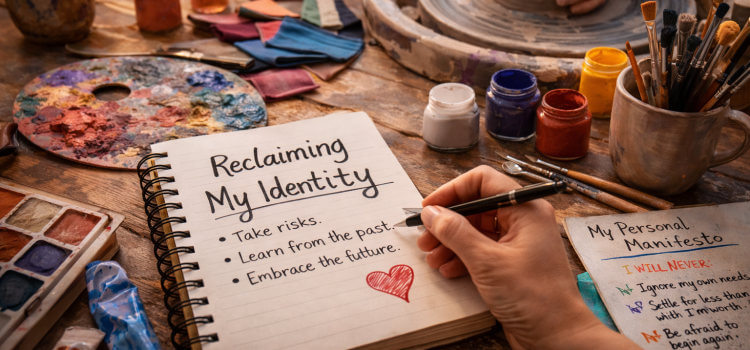

Divorced or Suddenly Single? How to Embrace Valentine’s Day!

Valentine's Day after divorce

How to Make Valentine’s Day After Divorce a Day of Renewal

Valentine’s Day can be complicated after a divorce – or even while you’re quietly considering one.

Valentine’s Day after divorce can feel complicated and emotional. While others celebrate romance, you may be navigating uncertainty, grief, or a brand-new beginning. Family law attorneys consistently report an increase in divorce inquiries after the holidays. The stress of November and December, the pressure to “hold it together” for family gatherings, and the natural reflection that comes with the New Year often lead couples to reassess their relationships. Some spouses also choose to wait until after the first of the year for financial reasons – including the ability to file taxes jointly if they were still legally married on December 31, depending on what makes sense for their specific financial situation.

By the time February arrives, emotions can still be raw. While the world celebrates roses and romance, you may be navigating uncertainty, grief, relief – or a complicated mix of all three.… View Full Article → “Divorced or Suddenly Single? How to Embrace Valentine’s Day!”

Why January Is Divorce Season: Understanding the Post-Holiday Spike in Divorce Filings

Why January Is Divorce Season

Financial Reasons Behind Why January Is Divorce Season

January has long puzzled family-law attorneys, who often refer to the month as “Divorce Season.” Understanding why January is divorce season can help couples prepare emotionally and financially.

Sociologists at the University of Washington note that “To everything there is a season – even divorce”. The results of a UW study found that Family law attorneys nationwide report a 25% to 30% increase in divorce inquiries every January.

Why January Is Divorce Season for Many Couples 1. Taboos

There are numerous cultural holidays that are celebrated in December: Hanukkah, Kwanzaa, Christmas, Yule, Bodhi Day, the Feast of the Immaculate Conception, the Feast of Saint Nicholas, etc. These oftentimes sacred holidays can be a reminder that marriage is frequently thought of as a lifelong sacrament or a commitment to work through problems together, for better or worse. The holidays are also a reminder of the importance of family.… View Full Article → “Why January Is Divorce Season: Understanding the Post-Holiday Spike in Divorce Filings”

The Pros and Cons Of Victims Of Domestic Violence Changing Their Identity

In recognition of October having been declared Domestic Violence Awareness Month, this post and next week’s article focus on trying to assist individuals who have faced such devestating violence.

This is the first of a two part article on this subject. While not widely known, the Social Security Administration had established a procedure in 1998 for victims of family violence to obtain a new Social Security number. The Administration states:

“Public awareness campaigns stress how important it is for victims to develop safety plans that include gathering personal papers and choosing a safe place to go. Sometimes the best way to evade an abuser and reduce the risk of further violence may be to relocate and establish a new identity. Following these changes, it also may be helpful to get a new Social Security number.

Although Social Security does not routinely assign new numbers, we will do so when evidence shows you are being harassed or abused or your life is endangered.… View Full Article → “The Pros and Cons Of Victims Of Domestic Violence Changing Their Identity”